
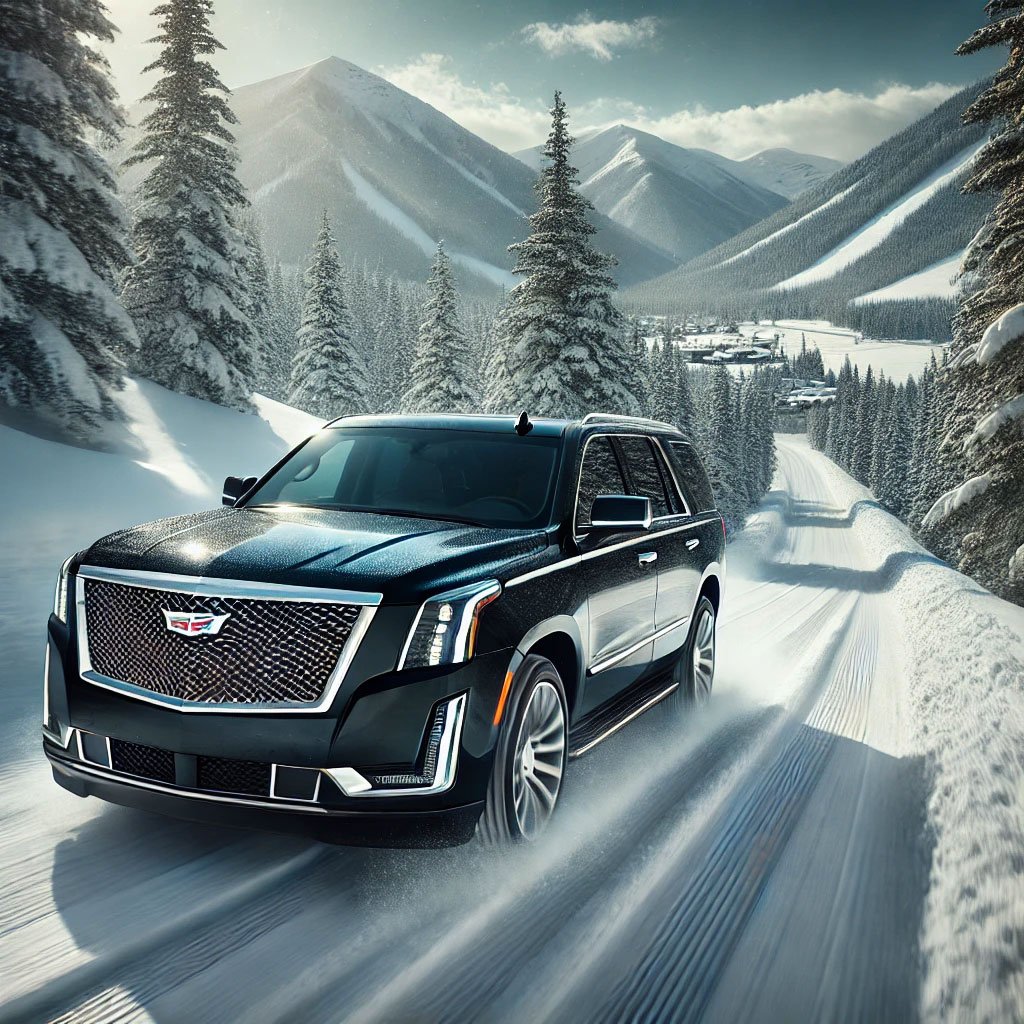
If you plan to travel through Colorado’s mountains during winter, you likely wonder about safety. Specifically, you may ask whether a professional chauffeur winter driving background truly prepares drivers for snow-packed highways. This blog explains what training involves, why it matters, and how trained chauffeurs Colorado travelers trust differ from standard drivers.
Because mountain safety is never optional, understanding winter driving experience helps you make smarter decisions. Whether you travel from Denver to Vail or Beaver Creek, preparation changes everything.
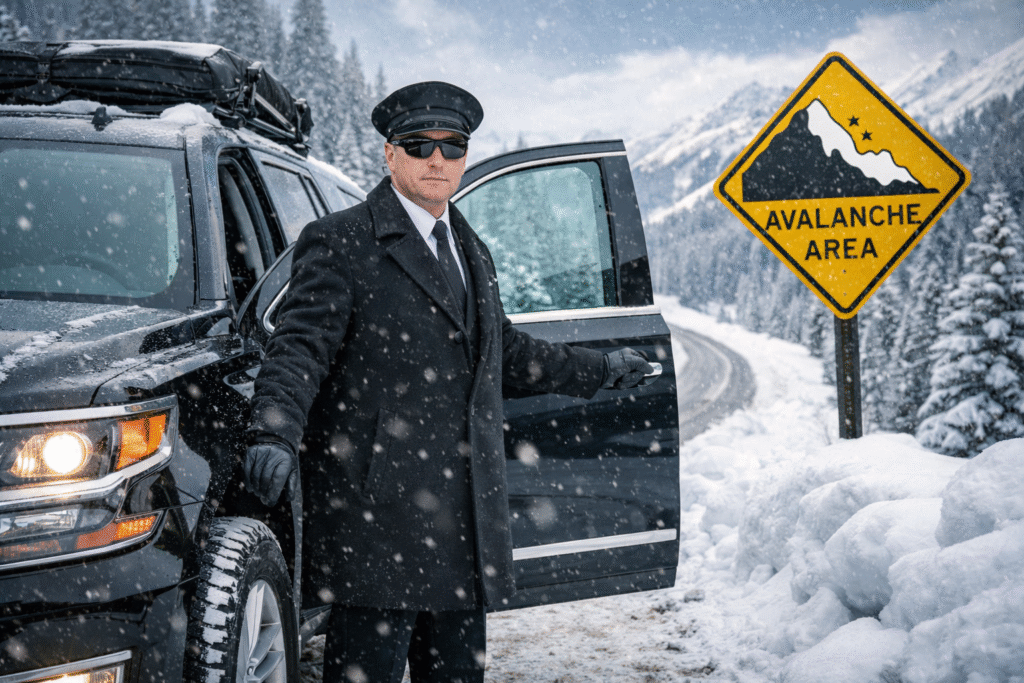
Why This Topic Matters
Winter in Colorado transforms roads quickly. One hour of light snow can turn into icy switchbacks. Therefore, driver skill matters more than vehicle type alone.
Moreover, high elevation highways like I-70 present steep grades and sudden weather shifts. Even experienced city drivers struggle in those conditions. However, trained chauffeurs Colorado companies employ prepare specifically for mountain safety.
In addition, winter driving experience reduces risks such as:
- Sliding during downhill braking
- Overcorrecting on black ice
- Delayed reaction to chain law enforcement
- Poor traction during lane changes
- Panic braking on mountain curves
Consequently, professional chauffeur winter driving preparation directly impacts passenger safety.
Common Challenges Travelers Have
Travelers often ask similar questions before winter mountain trips. For example:
- Does the driver understand Colorado chain laws?
- Can they handle whiteout visibility?
- Do they know safe passing zones?
- Have they driven during blizzards?
- What happens if roads close?
Additionally, families worry about children in car seats during snowstorms. Business travelers worry about missing flights. Ski groups worry about luggage space and icy parking lots.
Therefore, winter driving experience becomes more than a marketing phrase. It becomes a practical necessity.
What Professional Chauffeur Winter Driving Training Includes
Professional chauffeur winter driving training goes beyond standard licensing. Most reputable companies require ongoing safety education.
Vehicle Control & Defensive Techniques
Trained chauffeurs Colorado operators hire often complete:
- Advanced skid control programs
- Snow traction handling drills
- Controlled braking practice
- Ice correction steering training
- Emergency maneuver exercises
Furthermore, drivers practice controlled descents on steep grades. They learn engine braking techniques rather than aggressive pedal braking.
As a result, passengers experience smoother rides even during storms.
Mountain Route Familiarity
Winter driving experience also includes route knowledge.
Professional chauffeurs know:
- Elevation changes
- Avalanche-prone zones
- Chain-up stations
- Alternate detours
- Safe fuel stops
For example, drivers regularly traveling between Denver and Vail understand the impact of Eisenhower Tunnel congestion. That awareness prevents delays and risky driving decisions.
Trained Chauffeurs Colorado: What Makes Them Different?
Many rideshare drivers rely only on GPS. However, trained chauffeurs Colorado services invest in structured preparation.
Commercial Licensing & Screening
Most luxury transportation companies require:
- Commercial driver background checks
- Clean driving history reviews
- Drug testing compliance
- Periodic driving audits
Additionally, companies often conduct internal winter driving simulations before peak ski season.
Vehicle Preparation Standards
Professional fleets prepare vehicles carefully. That preparation includes:
- Winter-rated tires
- Regular brake inspections
- AWD or 4×4 systems
- Emergency kits
- Real-time weather tracking
Therefore, mountain safety results from both driver skill and mechanical readiness.
Winter Driving Experience vs. Standard Driving
Not all experience is equal.
City driving teaches traffic navigation. However, mountain driving teaches environmental awareness.
For example:
| Skill Area | Standard Driver | Professional Chauffeur Winter Driving |
|---|---|---|
| Ice Handling | Limited | Trained skid correction |
| Steep Descents | Infrequent | Routine experience |
| Chain Law Knowledge | Minimal | Actively monitored |
| Storm Planning | Reactive | Proactive route planning |
| Passenger Safety Focus | Variable | High priority |
Consequently, the difference becomes clear during active snowfall.
Cost, Time & Comfort Comparison
Choosing trained chauffeurs Colorado services may cost more upfront. However, safety and reliability often justify the investment.
| Factor | Rideshare | Professional Chauffeur |
|---|---|---|
| Winter Training | Unknown | Verified |
| Vehicle Type | Varies | AWD luxury fleet |
| Comfort | Basic | Premium interior |
| Luggage Space | Limited | Ski-friendly capacity |
| Reliability | Weather dependent | Weather-prepared |
| Route Planning | GPS only | Strategic planning |
Therefore, professional chauffeur winter driving services deliver consistency during storms.
Why Private Luxury Transportation Is Often the Best Choice
Mountain safety demands preparation. While buses and public transport operate in winter, they follow fixed routes and schedules.
Private chauffeurs offer flexibility. For example, they can delay departure during heavy snowfall. They can also reroute quickly if authorities close sections of I-70.
Moreover, chauffeurs monitor real-time weather updates. That proactive approach reduces stress significantly.
Expert Tips From Mountain Driving Professionals
Experienced drivers recommend the following:
- Leave earlier than planned
- Never rush downhill braking
- Keep consistent speed
- Maintain wide following distance
- Trust trained professionals
Additionally, they advise checking Colorado Department of Transportation alerts before departure. External sources such as the Colorado DOT website provide live updates.
Furthermore, organizations like the National Highway Traffic Safety Administration publish winter driving guidelines.
These credible sources reinforce why winter driving experience matters.
What Travelers Should Avoid
Honesty builds trust. Therefore, consider what to avoid during winter mountain travel:
- Last-minute bookings during storms
- Assuming all drivers have snow experience
- Ignoring chain law announcements
- Overloading small vehicles with ski gear
- Prioritizing price over safety
Although cheaper options exist, they may lack structured training. Consequently, risk increases.
When to Choose Private Luxury Transportation Instead of Public Transport
Certain scenarios strongly favor private chauffeurs.
Comfort
Luxury SUVs and Sprinters provide heated seating and spacious interiors. That comfort matters during long snowy drives.
Safety
Professional chauffeur winter driving training supports controlled maneuvering on ice.
Weather Flexibility
Private vehicles adjust schedules. Public buses cannot.
Family Travel
Families benefit from extra luggage space and child seat installation support.
Luggage Capacity
Ski equipment requires space. Larger vehicles prevent unsafe stacking.
Therefore, trained chauffeurs Colorado ski travelers rely on often deliver practical advantages.
A Realistic Winter Travel Scenario
Imagine landing at Denver Airport during active snowfall. Roads toward Vail begin accumulating slush.
A rideshare driver arrives without snow tires. Meanwhile, a professional chauffeur winter driving specialist arrives in a winter-prepared Suburban.
The chauffeur checks weather alerts. Then, they choose a lower-traffic departure window.
During the climb toward Eisenhower Tunnel, visibility drops. However, the driver maintains steady control.
Passengers remain relaxed because the vehicle handles smoothly.
Ultimately, winter driving experience transforms stress into confidence.
How to Book and What to Expect
Booking professional transportation remains simple.
- Reserve in advance during ski season.
- Confirm vehicle type based on group size.
- Ask about winter tire preparation.
- Share flight details for monitoring.
- Confirm pickup location.
After booking, expect:
- Professional communication
- Clean luxury vehicle
- On-time arrival
- Experienced chauffeur
- Smooth mountain navigation
Near the end of your planning process, consider this helpful option:
→ Book private luxury transportation from Denver Airport (Escalade, Suburban & Sprinter available)
This ensures winter driving experience supports your trip from start to finish.
Frequently Asked Questions (Schema-Ready Format)
Q1: Are professional chauffeurs trained specifically for snow driving?
A: Yes. Many luxury companies provide winter driving programs, skid control training, and mountain route education.
Q2: Do trained chauffeurs Colorado companies hire understand chain laws?
A: Yes. They monitor Colorado chain requirements and comply with enforcement updates.
Q3: Is private transportation safer during winter storms?
A: Generally, yes. Professional chauffeur winter driving training increases safety during icy conditions.
Q4: Do luxury vehicles use snow tires?
A: Most reputable fleets equip winter-rated tires and AWD systems.
Q5: Can chauffeurs adjust routes if roads close?
A: Yes. They monitor traffic and reroute when necessary.
Q6: Is winter mountain driving dangerous for inexperienced drivers?
A: Yes. Limited winter driving experience increases risk significantly.
Q7: Should I book early during ski season?
A: Absolutely. Winter demand increases quickly.
Travel Smart, Travel Prepared
Winter mountain travel requires more than confidence. It requires preparation, training, and experience.
Professional chauffeur winter driving programs combine safety education, mountain route familiarity, and vehicle readiness. Therefore, travelers gain peace of mind.
Whether you travel for skiing, business, or family vacation, trained chauffeurs Colorado visitors rely on provide reliable service.
Instead of worrying about ice and visibility, focus on enjoying your trip. Make your mountain journey smooth, safe, and stress-free.
